
A contractor running eight excavators across three sites could not understand why the same track link specification gave 2,400 hours on one machine and barely 900 on another. The machines were the same model, the operators were equally experienced, and the parts came from the same shipment. The difference was the ground. One site was damp clay that packed into the link and sprocket, the other was sharp granite gravel that ground the bushings. Undercarriage wear is a function of the ground far more than of the machine, and specifying by part number alone guarantees one of those sites will be unhappy.
Know Which Wear Mechanism Dominates
Three mechanisms destroy undercarriage, and they need different answers. Abrasion comes from hard, sharp material such as granite or quartz bearing sand, and it wears the external surfaces: shoe grousers, link rails and roller treads. Packing comes from sticky clay or wet fines, and it builds material between the link and the sprocket, raising track tension until the chain stretches and the bushings fail. Impact comes from rock and demolition work, and it cracks shoes, bends idler flanges and destroys rollers.
Ask the site which mechanism dominates before ordering, because the specification changes. For abrasive ground, prioritise hardened rail surfaces and heavier shoe sections. For packing ground, prioritise sealed chain design and correct track sag, since a slightly looser track on clay outlasts a tight one by a wide margin. For impact work, prioritise shoe thickness and idler flange strength over surface hardness.
Sealed and Lubricated Chain Versus Sealed Only
The single biggest decision in a track chain is whether it is sealed and lubricated or sealed only. A sealed and lubricated chain holds oil between the pin and bushing, which dramatically reduces internal wear and extends the interval before the chain needs turning or replacement. It costs more and it is worth every cent on abrasive and high hour machines. A sealed only chain is cheaper and acceptable on low hour or intermittent machines.
The failure mode matters here. On a sealed and lubricated chain, once the seal fails and the oil escapes, internal wear accelerates quickly, so a failed seal turns a premium chain into a worse proposition than a cheap one within a few hundred hours. Inspect seals routinely and train operators to report oil staining at the link. Dealers should hold seal quality as the first question when qualifying a supplier, ahead of price.
Idlers, Rollers and the Parts That Get Forgotten
Idlers and rollers carry the machine weight and are replaced far less often than shoes, which is exactly why they are neglected. A worn idler changes the track path and accelerates wear on everything else, so measuring idler flange wear is the cheapest predictive check a fleet can run. Ask for flange hardness and depth on any replacement, and check the bearing and seal arrangement rather than just the external dimensions.
Track shoe width is the other overlooked lever. A wider shoe lowers ground pressure and improves flotation, which matters in soft and wet ground, but it increases stress on the link and the idler. Fit the narrowest shoe that gives acceptable flotation and the whole undercarriage lasts longer. For machines that move between sites on public roads, rubber padded shoes protect surfaces and are worth specifying. Where a fleet runs mixed machinery, a track shoe for engineering machinery sourced from the same supplier as the chain keeps dimensional compatibility consistent.
Standardising a Fleet Without Over Simplifying
Fleet buyers want one part number per position. That is achievable for machine class, not for ground. A practical compromise is to standardise the chain and idler specification by machine class and then vary shoe width and type by site. Keep a simple matrix: machine model, dominant ground type, chain type, shoe width. Review it annually with actual hour data, because the matrix written from hour records beats any supplier recommendation.
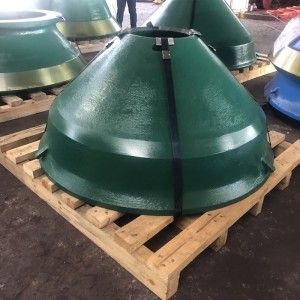
Dealers serving a region should stock by that matrix rather than by popularity. Where the same customers also operate crushing plant, consolidating supply helps both sides. Cone crusher consumables such as a HP400 high manganese steel cone crusher mantle run on a similar wear logging discipline.
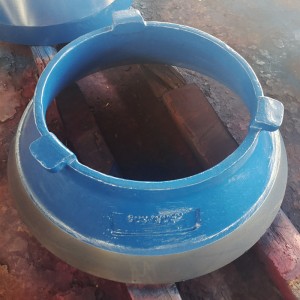
The matching concave bowl liner 6039052 should always be changed as a set with its mantle, never alone.
A Metso HP300 concave shares the underlying principle with undercarriage: specify to the material being processed, not to the machine plate.
The Site Data to Collect Before Ordering
- Dominant ground type: abrasive gravel, packing clay, rock or mixed.
- Machine model, operating weight and typical hours per year.
- Chain type, meaning sealed and lubricated or sealed only.
- Shoe width currently fitted and the flotation problem it is solving.
- Current idler flange and roller tread measurements, not just part numbers.
- Track sag setting and whether operators adjust it by ground.
- Previous part life in hours, recorded by site rather than by fleet average.

The Bottom Line
Undercarriage life is decided by the ground, not the catalogue. Identify the dominant wear mechanism, choose sealed and lubricated chain where hours justify it, fit the narrowest shoe that floats the machine, and log hours by site so the specification can be reviewed against reality. Fleets that work this way stop buying the same part twice for the same problem, and the gap between their best and worst machine closes to something explainable.
Related Pages
- Cast Idler vs Forged Idler: Evaluating on Total Cost of Ownership
- Stable Supply of Excavator Track Shoes: Selecting a Reliable Partner
- Aggregate Equipment Wholesale Purchasing Guide
Post time: Sep-24-2026