
The mining wear parts industry moves fast, and what worked five years ago may not work today. New materials, shifting certification requirements, and evolving trade policies mean buyers need up-to-date guidance. This article covers the current landscape and helps you make decisions based on today’s reality.
What Makes a Top Choice
Finding the best c125 jaw plate & flywheel casting factories for us aggregate mines means understanding what “best” actually looks like in your specific context. The best option for a high-volume distributor is not necessarily the best option for a boutique brand or a project-based buyer.
This guide helps you define your criteria, evaluate options against them, and make a choice that aligns with your business goals, not just someone else’s ranking.
Defining Your Criteria
Before comparing options, establish what matters most to you:
Quality grade: Are you looking for premium, standard, or economy tier? Define what “acceptable quality” means in measurable terms.
Budget range: Set a realistic price range. Remember to factor in shipping, duties, and inspection costs, not just the unit price.
Volume needs: How many units do you need now? What about in 6-12 months? Your volume affects MOQ negotiation and supplier selection.
Timeline: When do you need delivery? Tight timelines may rule out custom manufacturing and require stock or near-stock options.
Compliance requirements: What certifications does your market require? Make this a hard filter, do not consider suppliers who cannot provide valid certificates.
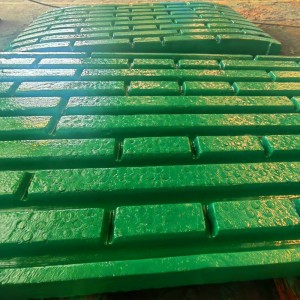
Evaluation Framework
The best c125 jaw plate & flywheel casting factories for us aggregate mines stands out in several areas simultaneously:
Material quality: Top options use premium-grade materials with documented specifications and test reports.
Manufacturing precision: The best factories invest in modern equipment and maintain tight tolerances throughout production.
Certification coverage: Leading suppliers hold multiple certifications and can provide documentation on request.
Customer service: The best suppliers are responsive, transparent, and willing to invest in the relationship, not just the transaction.
Side-by-Side Comparison
Create a simple comparison matrix to evaluate your top candidates:
List your suppliers in rows and your criteria in columns. Score each on a 1-5 scale for: price, quality, lead time, communication, certifications, and sample evaluation. This visual comparison often makes the best choice obvious.
Pro tip: Weight your criteria by importance. If quality is twice as important as price, multiply the quality score by 2. This prevents a low-price, low-quality option from looking artificially attractive.
Making the Final Choice
After evaluation, you should be down to 1-2 suppliers. Before placing your order:
Confirm all specifications in writing. A written spec sheet signed by both parties prevents disputes later.
Agree on inspection protocols. Specify AQL levels, inspection timing, and who conducts the inspection.
Negotiate payment terms. Standard: 30% deposit, 70% against B/L copy. For larger orders, consider L/C.
Place a trial order first. Even if you are confident, start with a smaller quantity to validate your decision before committing to full volume.
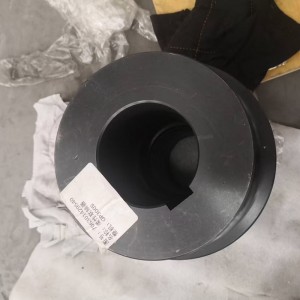
Top-Rated Products
Below are our recommended products for buyers interested in c125 jaw plate & flywheel casting factories for us aggregate mines. Visit each product page for complete details, certification documents, and sample request options:
Sourcing Notes
AQL inspections: AQL 2.5 at Level II is the most common inspection standard for consumer goods. It provides a statistically valid pass/fail decision without checking every unit.
Incoterms clarity: FOB gives you control over freight and insurance. DDP shifts responsibility to the supplier but often includes a hidden margin. Choose based on your logistics capability.
Frequently Asked Questions
Q1: What MOQ should I expect for c125 jaw plate & flywheel casting factories for us aggregate mines?
Standard products typically have MOQs of 100-500 units. Custom-branded products usually require 500-1,000 units. Fully custom designs with new tooling may require 3,000-10,000 units. Many suppliers will negotiate lower MOQs for first orders.
Q2: How do I handle shipping and customs?
Use a licensed freight forwarder experienced in mining wear parts. They handle booking, documentation, and customs clearance. Choose FOB terms if you want to control shipping, or DDP if you want the supplier to handle everything. Always confirm Incoterms in the contract.
Q3: Are samples available before placing a bulk order?
Yes, most suppliers provide samples. Expect to pay $50-$200 per sample plus shipping. Some suppliers refund the sample cost if you proceed with a bulk order. Always evaluate samples before committing to production.
Q4: How do I protect my intellectual property when sourcing?
Have the supplier sign a bilingual NDA before sharing detailed designs. Register your trademarks and patents in China. Avoid sharing proprietary manufacturing processes, share only what the supplier needs to produce your product.
Q5: What are the main risks of sourcing from China?
Quality inconsistency, communication gaps, intellectual property concerns, and shipping delays are the most common. All are manageable with proper due diligence: sample testing, clear contracts, NDAs, and realistic timelines with buffers.

Conclusion
The difference between a smooth sourcing experience and a costly disaster is almost always preparation. Know what you need, know who you are buying from, and document everything. When you are ready to move forward, browse our complete product range and request a sample to verify quality firsthand.
Post time: Sep-02-2026