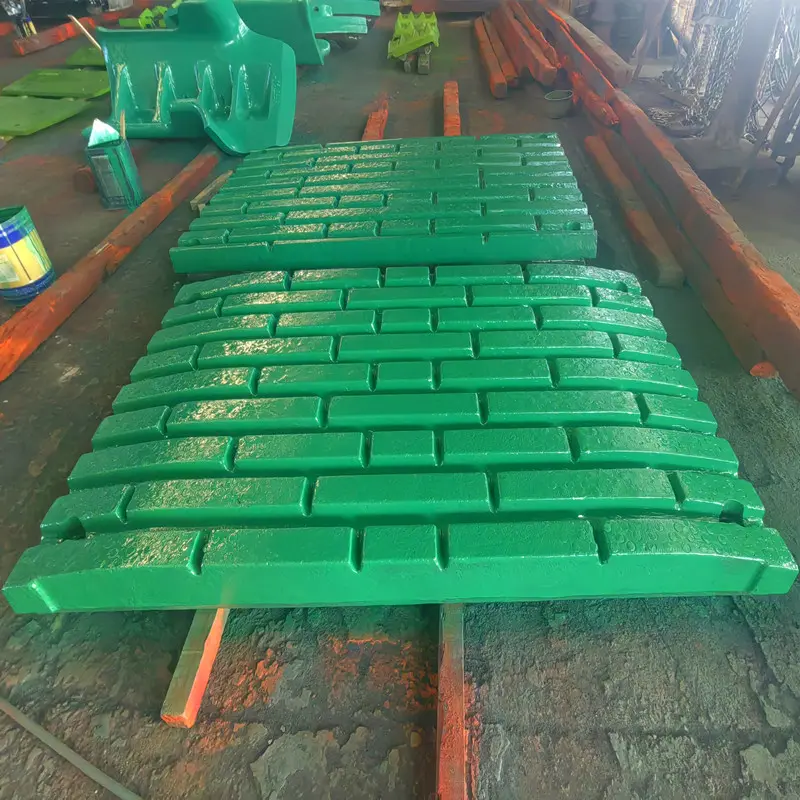
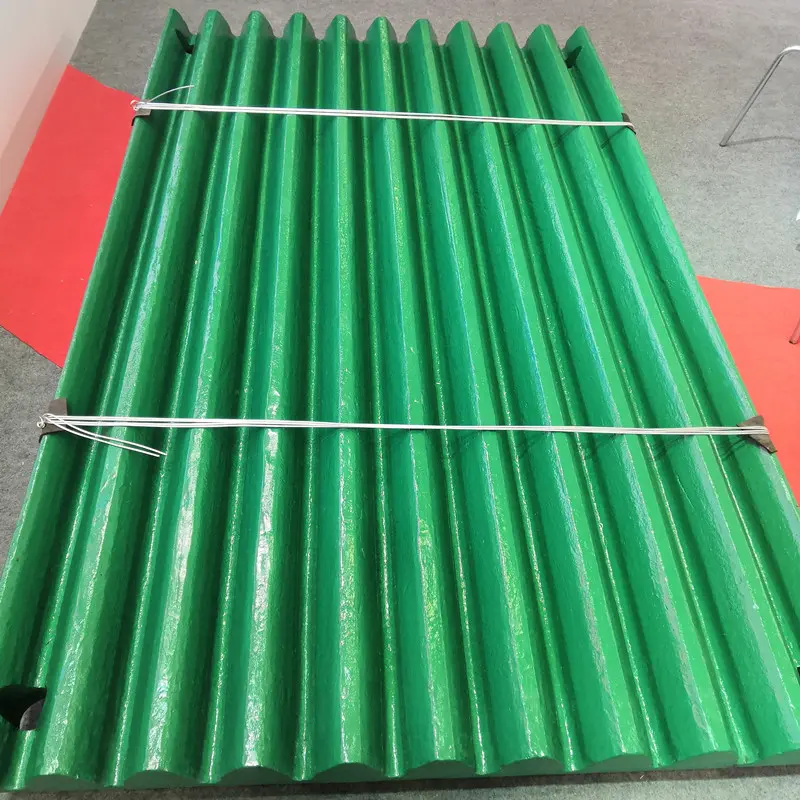
In the international procurement supply chain for global mining, aggregates, and recycling industries, buyers source from foundries a wide range of products including standard manganese steel, high chromium iron, alloy steel, carbon steel, TiC, ceramic and chromium alloy inserts, as well as various crusher wear parts. For international buyers, fund security is often more concerning than product quality itself.
Heavy castings typically involve high single-batch values, long production cycles, and custom molds. In the event of supplier default, fake factory scams, or payment fraud, recovery costs are extremely high. Establishing a systematic payment risk avoidance system is an essential survival skill for global buyers
sourcing crusher wear parts internationally.
Supplier Qualification Penetration & Verification Before Cooperation
Before releasing the first advance payment, conducting multi-dimensional background checks on the foundry is the starting point for blocking risks. Do not rely solely on brochures or website information provided by the supplier.
Third-Party Credit & On-Site Verification
Obtain the factory’s credit report through international credit agencies such as Dun & Bradstreet to verify operating years and litigation records. For large orders, commission agencies like SGS or BV to conduct remote video factory audits or on-site inspections.
This confirms whether the supplier has real production capacity for complex processes such as high manganese steel castings and TiC ceramic composite parts, rather than being a trading middleman or even a shell company.
Consistent Account Entity Verification
Strictly verify that the quotation, contract seal, and beneficiary bank account name are fully consistent.
A common fraud tactic in international trade is forcing buyers to remit funds to third-party personal accounts or offshore accounts that do not match the contract entity. Any email notification requesting a change to the receiving account must be reconfirmed via the phone or video channel retained at the time of signing, to prevent business email compromise (BEC) attacks.
Structured Payment Terms & Selection of Settlement Instruments
The core logic of designing scientific payment terms for cross-border casting procurement contracts is to tie payment milestones to verifiable performance deliverables, avoiding premature transfer of full fund control.
Phased Payment Ratio Control
For newly cooperating foundries, avoid full advance payment as much as possible. The industry-standard safe structure is 30% advance payment + 70% balance against copy of bill of lading. It can be further refined: partial payment upon mold approval, partial payment after production completion and inspection, and final balance after shipment.
For large non-standard orders involving deep-cavity reversible hammer crushers, vertical crushers, and similar equipment, require retaining 10%–15% retention money, payable after the equipment has operated for a specified period. This binds the service life and installation compatibility of wear parts.
Use Letters of Credit for Large Orders
When the single order value exceeds a certain threshold, or trust in a new supplier is insufficient, use an irrevocable sight letter of credit (L/C).
With bank credit intervention, payment is only made upon the seller’s submission of compliant documents including bills of lading, material reports, and third-party inspection certificates, effectively preventing the risk of paying without receiving goods.
Watch for soft clauses in L/Cs, such as buyer-nominated inspectors, which may create unilateral payment refusal traps.
Be Cautious with Open Account & Forward Payment
Without export credit insurance coverage, avoid accepting D/A (Documents Against Acceptance) or long-term OA (Open Account) terms. These terms impose payment obligations only after the buyer takes possession of goods, exposing the seller to extreme risk.
Dynamic Fund Risk Control During Production
Payment risks occur not only at the moment of transfer but throughout the entire casting process. The key is to link fund release to physical production progress.
Third-Party Supervision at Key Nodes
During production of high manganese steel and alloy steel castings, require time-stamped on-site images at milestones including pattern completion, pouring forming, heat treatment, and machining completion.
Arrange third-party pre-shipment inspections. Only release the balance after confirming that crusher liner dimensional tolerances, hardness tests, and packaging meet contract requirements. This avoids disputes and sunk costs caused by batch quality defects discovered after blind payment.
Trade Terms & Title Control
Under CIF or CFR terms, strive to control bill of lading issuance or use order bills of lading. Ensure that ownership documents remain in your hands before the balance is fully paid, preventing suppliers from colluding with freight forwarders to release goods without original documents after receiving partial payment.
Pre-Arranged Legal Remedies & Dispute Resolution in Contracts
Many disputes involving overseas buyers purchasing wear castings from foundries stem from vague contract terms. When signing procurement agreements, refine these defensive clauses:
Clear Default & Refund Mechanisms
Quantify penalty ratios for delayed delivery in the contract. Stipulate full refund liability and interest compensation in cases of material fraud, non-compliant goods, or failure to deliver.
Jurisdiction & Applicable Law
Cross-border enforcement is a major pain point. Choose international arbitration institutions recognized by the buyer’s location, or stipulate application of neutral rules such as the United Nations Convention on Contracts for the International Sale of Goods (CISG), reducing legal barriers and costs for future cross-border rights protection.
Conclusion
In practicing payment risk avoidance when cooperating with foundries, buyers should always uphold the principle of trust but verify.
From early-stage credit verification, phased milestone payments, to closed-loop contract terms, every defense line safeguards fund stability in the supply chain for heavy crushing equipment and wear parts.
In global sourcing, protecting your capital is often more important than negotiating a few percentage points off the price.
#CrusherWearPartsPaymentRisk #CrossBorderFoundryCooperationGuide #InternationalCastingLCRiskControl #OverseaBuyerAntiFraud #WearPartsExportPaymentTerms #ManganeseSteelCastingAdvanceSecurity #ThirdPartyFactoryAuditRiskControl #GlobalMiningEquipmentSupplyChainRisk #TradeTermsAndTitleProtection #CrusherLinerContractDefaultClauses
Post time:
Jul-21-2026