
In the operation and maintenance system of crushers (jaw, cone, impact), seals, though small in size, act as the “gatekeeper” to prevent oil leakage, dust ingress and contamination. Choosing the wrong material not only leads to frequent downtime but also may trigger cascading damage to core components such as bearings and main shafts due to lubrication failure. This article aims to provide procurement and equipment managers with a selection reference based on material science rather than marketing rhetoric, helping you make accurate decisions among mainstream materials including NBR, FKM, PU, PTFE and more.
1. Core Material Performance Comparison: Data-Driven Selection Logic
Crushers operate under harsh conditions, typically involving dust abrasion, hydraulic oil erosion, high temperatures and pressure shocks. Seals of different materials vary greatly in temperature resistance, wear resistance and medium compatibility. The following comparison is based on general industrial standard data and can serve as a benchmark for rapid selection.
| Material Type | Long-Term Temperature Range | Core Advantages | Critical Disadvantages | Typical Crusher Application Scenarios |
|---|---|---|---|---|
| NBR (Nitrile Rubber) | -30℃ ~ +100℃ | Cost-effective, excellent mineral oil resistance, good elasticity | Poor high-temperature resistance, ozone/UV resistance | Normal-temperature hydraulic cylinders, bearing dust seals, lubricating oil seals |
| FKM (Fluororubber) | -20℃ ~ +200℃ | Superior high-temperature & chemical resistance, best overall performance | High cost, hardens at low temperatures | Cone crusher hydraulic adjustment rings, high-temperature main shaft seals |
| PU (Polyurethane) | -30℃ ~ +80℃ | Extreme wear resistance, strong extrusion resistance | Prone to hydrolysis, poor resistance to hot water/steam | High-pressure hydraulic piston seals, frequent reciprocating parts |
| PTFE (Polytetrafluoroethylene) | -200℃ ~ +260℃ | Chemical inertness, extremely low friction coefficient | No elasticity, prone to cold flow, requires precise design | Static seals for ultra-high temperature or highly corrosive media |
| HNBR (Hydrogenated Nitrile) | -40℃ ~ +150℃ | Heat-resistant upgraded NBR, strong aging resistance | Higher price than NBR | Replaces NBR for high-demand bearing seals |
| EPDM (Ethylene Propylene Diene Monomer) | -50℃ ~ +150℃ | Water/aging resistance, steam resistance | Oil-intolerant, swells in oil | Water cooling systems, radiator pipeline seals |
2. Typical Crusher Working Conditions and Material Matching Strategies
2.1 Jaw Crushers & Cone Crushers: Hydraulic Adjustment Systems
Working Condition Characteristics: High system pressure (up to 20-30MPa), oil temperature may rise to 80-100℃ during continuous operation, with metal abrasive particles present.
Selection Recommendations:
- Primary Seals (Piston/Rod): PU (Polyurethane) is preferred. Its exceptional mechanical strength and wear resistance effectively resist pressure shocks and abrasive particle intrusion, preventing seal extrusion or rapid wear.
- Static Seals (End Covers/O-Rings): NBR is the most economical choice if oil temperature stays below 100℃ long-term. For equipment operating in hot regions or with consistently high oil temperatures, upgrade to FKM or HNBR to avoid rubber hardening and failure.
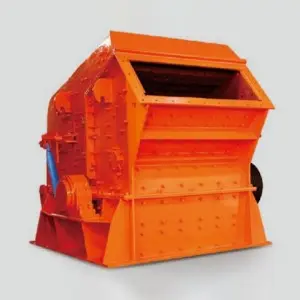
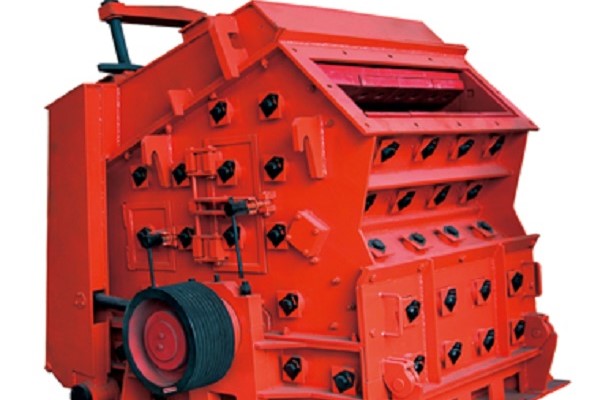
2.2 Impact Crushers: Main Shaft Bearing Seals
Working Condition Characteristics: High rotating speed, extremely high dust concentration (quartz sand, stone powder), high ambient temperature, requiring both dust protection and oil retention.
Selection Recommendations:
- First Choice: FKM (Fluororubber). Its outstanding high-temperature resistance (coping with bearing heat conduction) and superior wear resistance effectively counteract the “grinding effect” of high-concentration dust. Compared with NBR, FKM’s service life at high temperatures is usually 3-5 times longer.
- Budget-Sensitive Alternative: For cost constraints, HNBR can be used in medium-low speed conditions, though its maximum temperature resistance (approx. 150℃) is lower than FKM.
2.3 Vibrating Screens & Feeders: Lubrication and Dust Prevention
Working Condition Characteristics: Severe vibration, requiring excellent seal followability (compensating for clearance changes caused by vibration), often exposed to humid or dusty air.
Selection Recommendations:
- Dynamic Seals: NBR is the absolute mainstream. Its good elasticity and cost-effectiveness meet the lubrication sealing needs of most vibrating screens. Choose high-acrylonitrile NBR to enhance wear resistance.
- Extreme Humidity/Water Spray Environments: Note that NBR and PU are intolerant to long-term hydrolysis for equipment used in sand washing or outdoor rainy seasons. Consider EPDM (only for non-oil media such as gear grease seals) or specially formulated FKM.
3. Selection Misconceptions and Avoidance Guide
Misconception 1: Blind Pursuit of High Hardness
High hardness does not equal better sealing performance. Excessively high hardness (e.g., PU above 95A) easily causes lip flipping or installation scratches at low temperatures or with improper installation. Dynamic seals require a balance between hardness and elasticity.
Misconception 2: Ignoring the “Cold Flow” Phenomenon
Although PTFE (Teflon) offers excellent temperature and corrosion resistance, it exhibits “cold flow” (plastic deformation under continuous pressure). It is generally unsuitable as the primary seal for dynamic rotary seals unless used with spring loading or metal frames.
Key Point: Focus on Medium Compatibility
- EPDM is strictly oil-prohibited: EPDM rubber swells and fails rapidly in mineral oil, so it is strictly forbidden for hydraulic oil systems.
- PU fears hot water: Polyurethane quickly hydrolyzes (degrades) in hot water or steam, making it unsuitable for water pressure systems.
- FKM fears ketones/esters: While FKM resists most chemicals, it performs poorly against ketone and ester solvents—confirm media compatibility during selection.
4. Summary: How to Create a Procurement List?
As a buyer, when inquiring with suppliers, do not only provide vague descriptions such as “seal” or “O-ring”. Specify the following key parameters to match actual working condition service life:
- Equipment type and installation position (e.g., piston seal for cone crusher hydraulic locking cylinder);
- Medium type (e.g., 46# anti-wear hydraulic oil, lithium-based grease);
- Maximum operating temperature (e.g., on-site oil temperature up to 90℃ in summer);
- Pressure and motion form (e.g., static, reciprocating, rotating).
Final Recommendation: For core equipment (e.g., cone crusher main shafts, hydraulic systems), although FKM and HNBR have higher unit prices, their long service life results in lower total cost of ownership (TCO) than cheap NBR seals that require frequent replacement.
#CrusherSeal #CrusherSparePartsSelection #NBRFKMSeals #ConeCrusherHydraulicSeal #MiningMachinerySealMaterials #FKMTemperatureResistantSeal #PUWearResistantSeal #JawCrusherBearingDustSeal #VibratingScreenLubricationSeal #SealMaterialComparison
Post time: May-29-2026