
Against the booming wave of infrastructure development across the Middle East, demand for aggregate production is growing at an unprecedented rate. For quarry operators in the region, the C125 Jaw Crusher is not only the core equipment in the primary crushing stage but also a critical node determining the maximum production capacity of the entire line. However, many operations teams share a common pain point: how to maximize crushing efficiency and reduce per-ton production costs without compromising equipment stability?
The answer often lies not in full machine replacement, but in precise selection and matching of core wear parts — Fixed Jaw Plate and Swing Jaw Plate. This article explores how to optimize equipment performance for the C125 Jaw Crusher through scientific jaw plate selection strategies based on actual operating intensity.
1. Understanding the Operating Intensity Characteristics of the C125 Jaw Crusher
Before discussing selection criteria, it is essential to clarify the concept of operating intensity. For aggregate companies in the Middle East, operating intensity includes not only continuous running hours but also feed size, material hardness (such as basalt and granite), and closed-side setting (CSS).
The C125 model typically features a large feed opening and high processing capacity, meaning jaw plates are subjected to extreme compressive stress and intense abrasive wear. Improper jaw plate selection can easily lead to the following issues:
- Premature Wear: Resulting in enlarged discharge openings, overly coarse product gradation, and frequent downtime for adjustment or replacement.
- Fracture Risk: Jaw plates with insufficient material toughness may crack when crushing high-strength rocks, posing threats to equipment safety.
- Poor Meshing: Insufficient contact between jaw plates and the crusher body causes material slippage, reducing crushing ratio and increasing power consumption.
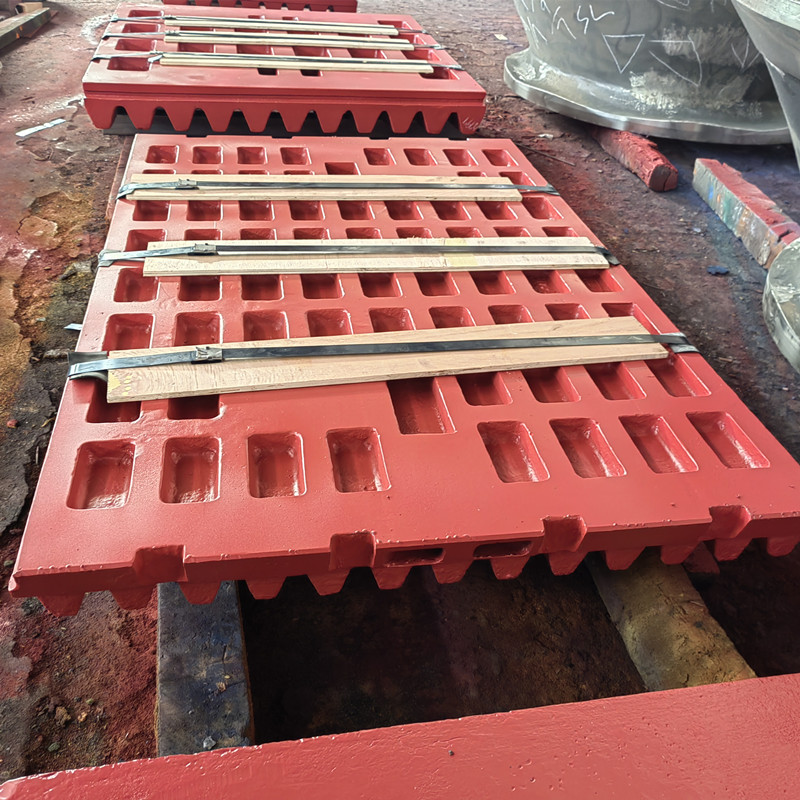
2. Material Selection: The First Line of Defense Matching Material Properties
Jaw plate material directly determines service life and wear resistance. Following global aggregate industry standards and the latest material advancements, buyers selecting C125 jaw plates generally consider the following material options:
Standard Manganese Steel
As the most traditional configuration for jaw crushers, manganese steel offers exceptional toughness. Under high-impact conditions, it undergoes work hardening, creating an extremely wear-resistant surface. For C125 units processing medium-hardness rocks under stable working conditions, standard manganese steel provides a cost-effective solution.
High Chromium Cast Iron
For extremely high operating intensity or materials rich in high-abrasion components such as quartz, high chromium cast iron is a superior choice. Compared with manganese steel, it delivers higher hardness and stronger abrasive wear resistance. Its main drawback is higher brittleness, requiring strict installation accuracy and effective oversize protection.
Alloy Steel & Carbon Steel
These materials are commonly used for jaw plate tooth sections or as alternatives for specific operating conditions. They achieve a favorable balance between strength and hardness, with clear advantages in cost control.
Expert Recommendation: For hard rock crushing, typical in Middle Eastern applications, priority is recommended for modified manganese steel or high chromium alloy jaw plates to meet the demands of high-intensity continuous operation.
3. Precise Matching Techniques for C125 Jaw Plates
After selecting the appropriate material, proper matching becomes critical. Many buyers experience subpar performance with new jaw plates due to oversight of the following three key details:
1. Fitment Check
As a large-scale unit, the C125 jaw crusher features heavy, high-load jaw plates. Before installation, ensure full contact between the back of the jaw plates and the Moving Jaw Body. Even minor gaps can cause stress concentration, accelerating fastener loosening or even jaw plate fracture. Feeler gauge inspection during installation is highly recommended.
2. Shim System Adjustment
Accurate shim adjustment is vital to compensate for wear and maintain ideal discharge size. When installing new jaw plates, preset shim pack thickness based on initial plate thickness and wear limits. This ensures consistent product gradation and uniform stress distribution across jaw plates throughout their service life.
3. Avoiding Pitfalls: Fixed & Swing Jaw Plate Coordination
As industry practice highlights, procurement and maintenance teams must closely monitor the coordinated performance of fixed jaw plates and swing jaw plates. Due to reciprocating motion, swing jaw plates generally wear faster than fixed ones. During selection, ensure their tooth profiles create effective meshing to prevent body damage or material clogging.
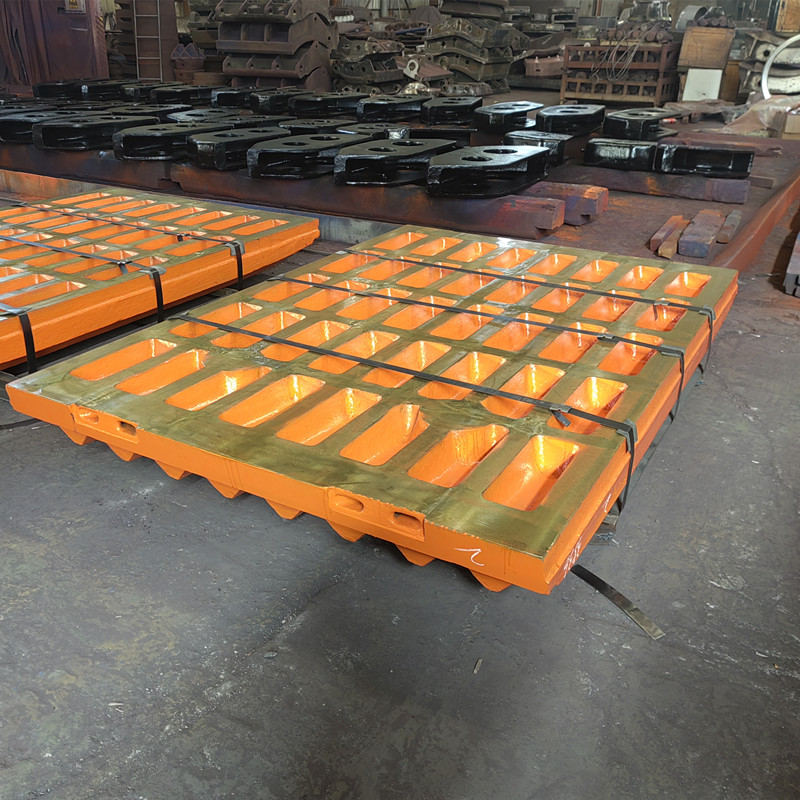
4. Beyond Standard Parts: The Value of Customized Solutions
In addition to standard fixed and swing jaw plates, procurement advantages of critical components such as flywheel castings for the C125 jaw crusher have become increasingly prominent. For Middle East aggregate companies pursuing ultimate stability, tailored wearing solutions are growing in importance.
For instance, integrating TiC (Titanium Carbide) reinforcement technology or ceramic & chrome alloy inserts can significantly extend service life in highly wear-prone jaw plate areas without excessive weight gain. Such targeted reinforcement represents the future trend for high-intensity operating environments.
5. Conclusion
For aggregate producers in the Middle East, jaw plate selection for the C125 Jaw Crusher is more than a routine spare parts purchase — it is a strategic decision affecting production efficiency and operational costs. By thoroughly understanding operating intensity, scientifically selecting materials such as manganese steel or high chromium iron, and strictly applying matching techniques, operators can greatly extend uptime and reduce unplanned downtime.
When planning spare parts inventory for the next quarter, it is advisable to review existing jaw plate selection standards. A minor material upgrade or installation adjustment could deliver substantial efficiency gains for your production line.
#C125JawCrusher #FixedJawPlate #SwingJawPlate #JawCrusherSelection #ManganeseSteelJawPlate #HighChromiumCastIron #WearParts #AggregateProduction #MiddleEastInfrastructure #CrusherAccessories
Post time: May-13-2026